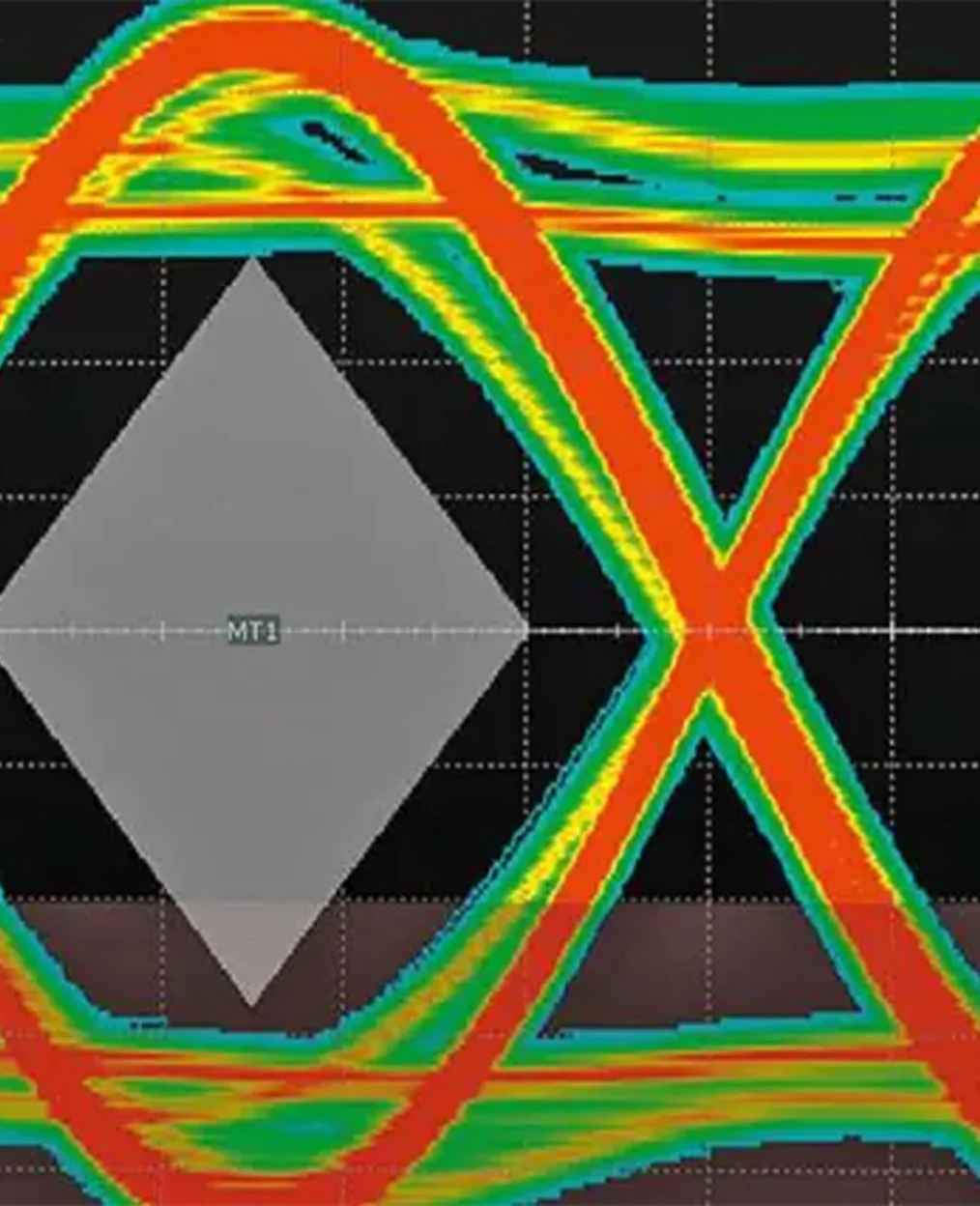
Signal integrity is the foundation of every reliable millimeter wave system. As operating frequencies push into the 26 GHz to 330 GHz range, even minor imperfections in waveguide components can cause measurable signal degradation. This guide covers the critical factors RF engineers must consider when designing mmWave systems for optimal signal performance.
Why Signal Integrity Matters at Millimeter Wave Frequencies
At millimeter wave frequencies, wavelengths shrink to just a few millimeters. This makes every physical dimension of a waveguide system critical. Surface roughness that would be negligible at lower frequencies can cause significant conductor losses at 110 GHz or above. Flange misalignment of even 25 microns can introduce unwanted reflections.
The result is that component selection, material quality, and manufacturing precision all have a direct and measurable impact on system-level signal integrity.
Key Factors Affecting mmWave Signal Integrity
1. Waveguide Material Selection
The waveguide body material directly affects insertion loss. Oxygen-free high conductivity (OFHC) copper offers the best combination of electrical conductivity and machinability for millimeter wave waveguides. Standard copper and aluminum alloys introduce higher conductor losses, particularly above 60 GHz.
2. Surface Finish and Plating
Gold plating serves two purposes in waveguide systems: it prevents oxidation of the copper surfaces and maintains consistent electrical conductivity over the life of the component. Oxidized copper surfaces increase insertion loss and degrade VSWR performance.
3. Flange Alignment and Mating
Proper flange alignment is essential. Standard MIL-DTL-3922 flange patterns provide repeatable mating when machined to specification. Anti-cocking flanges are recommended for WR-10 and smaller sizes where alignment tolerances become increasingly tight.
- Use torque wrenches to apply consistent clamping force
- Inspect flange faces for damage before mating
- Verify alignment pin engagement on guided flanges
4. Bend and Transition Design
Every bend, twist, and transition in a waveguide run introduces some level of reflection. Minimize the number of transitions in your signal path. When bends are required, use precision-machined E-plane or H-plane bends rather than flexible waveguide sections.
VSWR Optimization Strategies
Voltage Standing Wave Ratio (VSWR) quantifies impedance matching quality. For most mmWave systems, target VSWR of 1.15:1 or better at critical junctions. Strategies to achieve this include:
- Selecting components with published VSWR data across the full operating bandwidth
- Minimizing the total number of waveguide junctions
- Using matched terminations on unused ports
- Performing system-level VSWR measurements after assembly
Testing and Verification
Always verify signal integrity with calibrated vector network analyzer (VNA) measurements after system assembly. Measure S-parameters across the full operating bandwidth to identify any frequency-dependent issues that may not be apparent at a single test frequency.
Summary
Signal integrity in mmWave systems is a function of material quality, manufacturing precision, and careful system design. By specifying OFHC copper waveguides with gold plating, using precision-machined bends and transitions, and verifying performance with calibrated measurements, engineers can build millimeter wave systems that perform reliably across their full operating bandwidth.